Walk into a gallery of abstract art and you’ll notice something interesting. Some people stand quietly, trying to “figure it out.” Others walk past quickly, dismissing it as random shapes and colors. And a few feel something – but can’t quite explain what.
That’s the paradox of abstract art.
It doesn’t tell you what to think. It doesn’t guide you with clear subjects or narratives. Instead, it leaves space—space for interpretation, emotion, and personal connection.
So the real question is: Is there no meaning in abstract art… or is there more meaning than we’re used to?
What Is Abstract Art, Really?
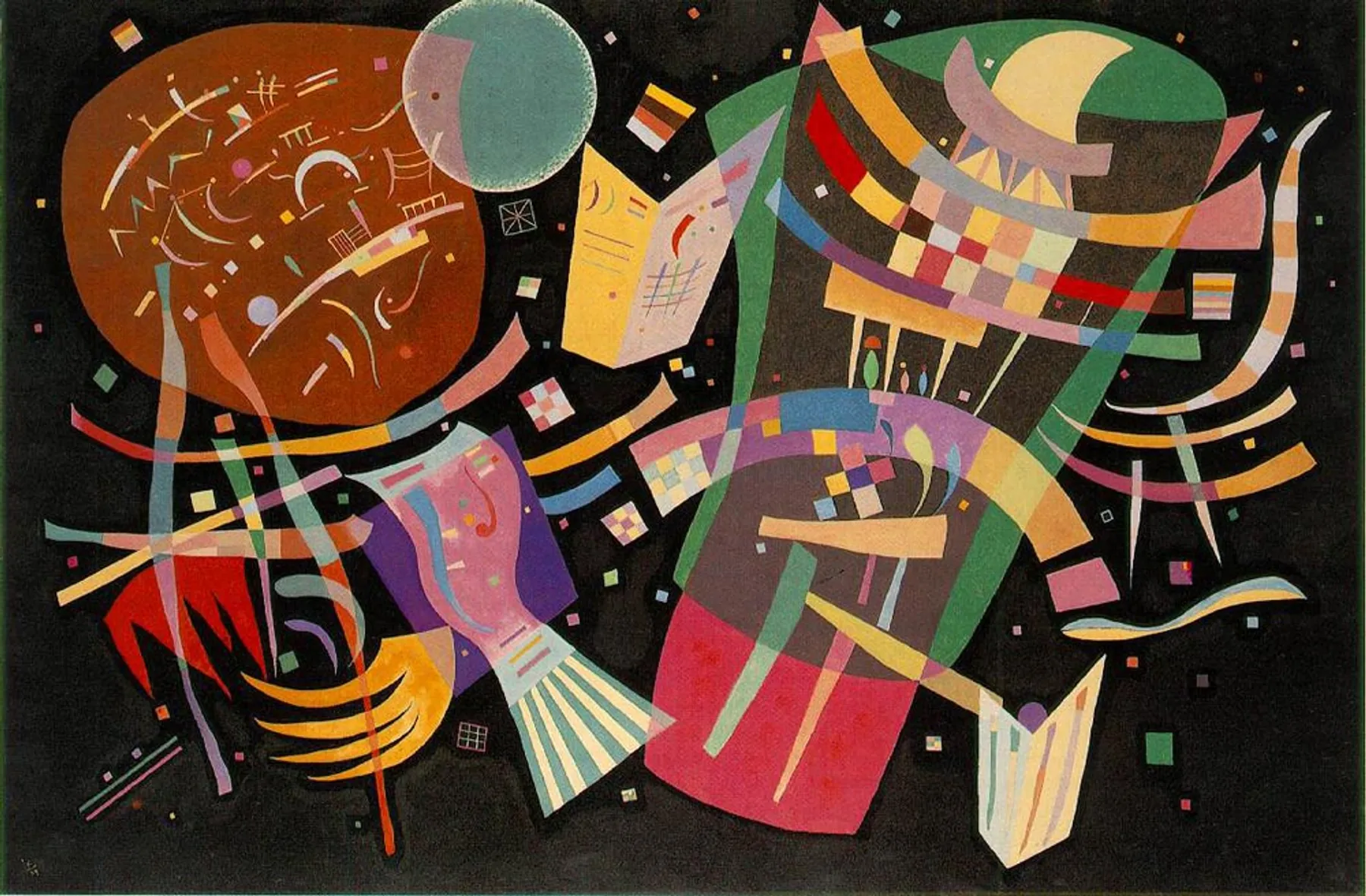
Abstract art moves away from realistic representation. You won’t always find recognizable objects like people, landscapes, or scenes. Instead, you’ll see colors, shapes, textures, and forms.
But that doesn’t mean it’s random.
Artists like Wassily Kandinsky and Piet Mondrian believed that art didn’t need to imitate reality to be meaningful. They explored the idea that colors and forms alone could express feelings, ideas, and even spirituality.
Abstract art isn’t about what you see—it’s about what you feel.
Why Abstract Art Feels Confusing
Let’s be honest—most people find abstract art confusing at first. That’s completely natural.
We’re conditioned to look for meaning in a specific way:
- A portrait tells a story about a person
- A landscape shows a place
- A still life represents objects
But abstract art removes these anchors.
When there’s no obvious subject, your brain asks:
“What am I supposed to understand here?”
The answer is simple: There is no single “correct” understanding.
And that’s exactly what makes it uncomfortable—and powerful.
The Biggest Myth: “Abstract Art Has No Meaning”
One of the most common misconceptions is that abstract art is meaningless or lazy.
But in reality, abstract art often carries deeper, more personal meaning than traditional art.
Artists don’t abandon realism because they can’t paint it. Many abstract artists are technically skilled. They choose abstraction because it allows them to express things that realism cannot—like:
- Emotions that don’t have a clear form
- Thoughts that are too complex for words
- Inner chaos, peace, or conflict
Take Jackson Pollock, for example. His drip paintings may look chaotic, but they reflect movement, energy, and spontaneity. They are a physical expression of his state of mind.
So no, abstract art isn’t meaningless.
It’s just not literal.
Emotion Over Accuracy
In traditional art, accuracy matters. The proportions of a face, the perspective of a building, the realism of shadows—these are all important.
In abstract art, emotion replaces accuracy.
A line doesn’t need to be straight. A color doesn’t need to match reality. A shape doesn’t need to represent anything specific.
What matters is:
- How the colors interact
- How the composition feels
- What emotion it evokes
For example:
- Sharp, jagged lines might create tension
- Soft curves can feel calming
- Bright colors may evoke joy or energy
- Dark tones might feel heavy or introspective
Abstract art speaks a language that isn’t logical—it’s emotional.
How to Understand Abstract Art (Even If You’re Not an Artist)
You don’t need a degree in art to “get” abstract art. You just need a different approach.
1. Stop Trying to “Figure It Out”
The biggest mistake is treating abstract art like a puzzle.
Instead of asking, “What is this supposed to be?”
Ask, “What does this make me feel?”
There is no right or wrong answer.
2. Observe Without Judgment
Spend time with the artwork. Notice:
- Colors
- Shapes
- Movement
- Texture
Let your mind wander without forcing meaning.
3. Pay Attention to Your Emotional Response
Do you feel calm? Uneasy? Energized? Confused?
Your emotional reaction is your interpretation.
Two people can look at the same abstract painting and feel completely different things—and both are valid.
4. Think About the Artist’s Perspective
Sometimes, knowing a bit about the artist helps.
For instance, Mark Rothko created large color field paintings meant to evoke deep emotional responses. He wanted viewers to feel something almost spiritual.
Understanding this intention can deepen your experience—but it’s not necessary.
5. Accept Ambiguity
Abstract art doesn’t give clear answers.
And that’s okay.
In fact, that ambiguity is what makes it powerful. It mirrors real life—complex, uncertain, and open to interpretation.
The Unsaid Stories Behind Abstract Art
Abstract art doesn’t tell stories in a direct way, but that doesn’t mean stories aren’t there.
They’re just… unsaid.
A painting might represent:
- A memory the artist can’t fully describe
- A moment of emotional intensity
- A reaction to the world around them
- A personal struggle or transformation
Because these stories aren’t spelled out, they become universal.
Instead of telling one story, abstract art allows many stories to exist at once—including yours.
Why Abstract Art Feels So Powerful
There’s a reason abstract art stays with you, even when you don’t fully understand it.
It engages you differently.
Instead of passively observing, you become part of the experience. Your thoughts, emotions, and interpretations complete the artwork.
It’s not just something you look at—it’s something you interact with mentally and emotionally.
In a way, abstract art is a conversation.
The artist starts it.
You continue it.
Abstract Art in Today’s World
In a fast-paced, content-heavy world, abstract art has found new relevance.
Why?
Because it offers something rare: pause and reflection.
It doesn’t demand quick understanding. It invites you to slow down, observe, and feel.
Abstract art is also widely used in:
- Interior design (for mood and aesthetics)
- Branding and visual identity
- Digital art and social media content
Its flexibility makes it adaptable across different contexts.
You Don’t Have to “Like” It—But Try to Experience It
Not everyone will love abstract art. And that’s completely fine.
The goal isn’t to force appreciation—it’s to be open to experience.
The next time you see an abstract painting:
- Don’t dismiss it immediately
- Give it a few moments
- Notice how it makes you feel
You might still not “like” it—but you’ll understand it a little better.
Final Thoughts
Abstract art challenges the way we think about meaning.
It moves away from clear answers and invites us into a space of interpretation, emotion, and introspection.
It reminds us that:
- Not everything needs to be explained
- Feelings can exist without words
- Meaning is not always fixed—it can be personal
So the next time you stand in front of an abstract painting and think, “I don’t get it,” try shifting your perspective.
Maybe it’s not something to “get.”
Maybe it’s something to feel.