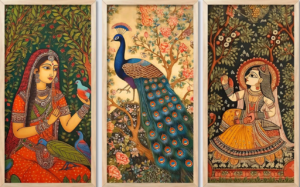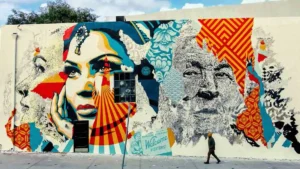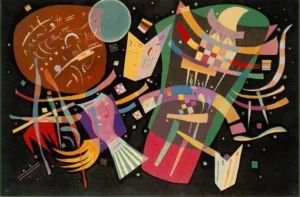
In a world that rarely slows down, stress has become a constant background noise. Deadlines, expectations, overthinking, and the pressure to always be “productive” can quietly drain your energy. Most people look for relief in distractions—scrolling, binge-watching, or just zoning out.
But there’s a simpler, more powerful way to reset your mind.
Art.
Not perfect, polished, gallery-worthy art—but simple, imperfect, honest creativity.
You don’t need to be an artist. You don’t need expensive tools. And you definitely don’t need talent.
All you need is a willingness to express.
Why Art Works as a Stress Reliever
Have you ever found yourself randomly scribbling on paper during a call or while thinking? That small act of doodling isn’t meaningless—it’s your brain trying to regulate itself.
When you engage in creative activities like drawing, coloring, or painting, something shifts internally:
- Your focus moves away from stressors
- Your mind enters a calmer, almost meditative state
- You become more present in the moment
This is why art is often used in therapy settings. It allows you to process emotions without needing to explain them.
Because sometimes, you don’t have the right words—but your mind still needs an outlet.
You Don’t Have to Be “Good” at Art
One of the biggest barriers people have is this belief:
“I’m not good at drawing.”
That thought alone stops so many people from even trying.
But stress buster art has nothing to do with skill. It’s not about how your art looks—it’s about how it makes you feel.
In fact, trying to make something “perfect” can actually increase stress.
The goal here is the opposite:
- Let go of expectations
- Allow mistakes
- Focus on the process, not the result
Your messy sketch might be exactly what your mind needs.
Art Therapy: More Than Just a Trend
Art therapy isn’t just a social media concept—it’s a well-established practice used by psychologists and mental health professionals.
It works because it taps into a different part of the brain.
When you draw or paint:
- You’re not analyzing—you’re expressing
- You’re not overthinking—you’re creating
- You’re not suppressing—you’re releasing
This makes it especially helpful for emotions that are difficult to articulate, like anxiety, frustration, or sadness.
Even a few minutes of creative activity can lower stress levels and improve your mood.
Simple Art Activities to Relax Your Mind
You don’t need complicated setups or expensive materials. Here are a few easy ways to get started:
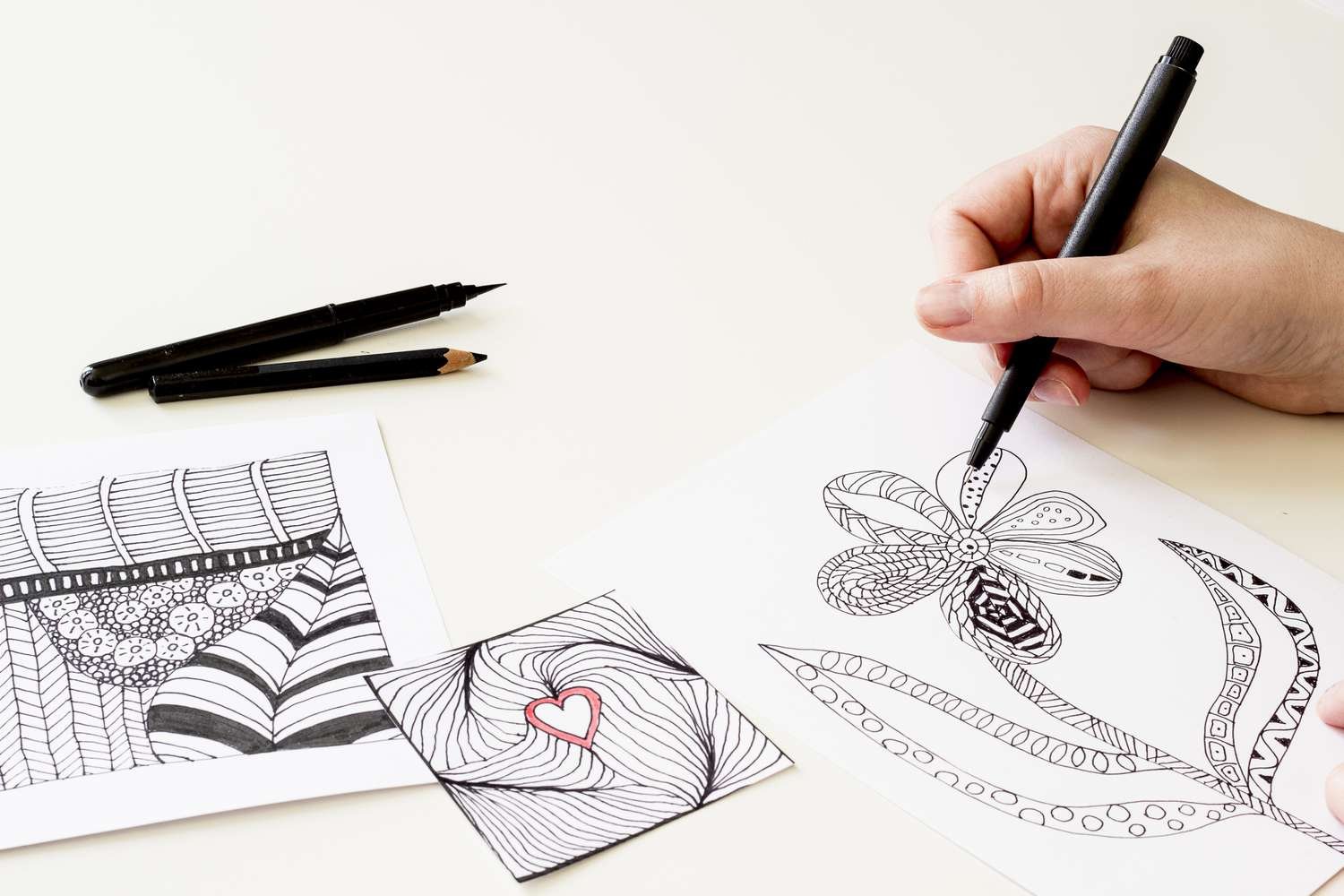
1. Doodling Without Thinking
Take a pen and paper and start drawing random shapes, lines, or patterns. Don’t plan it. Don’t try to make it “look good.”
Let your hand move freely.
Doodling is one of the easiest ways to calm your mind because it requires minimal effort but keeps your brain engaged.
2. Mandala Art for Focus and Calm
Mandala art is known for its repetitive patterns and symmetry. Creating or coloring mandalas can feel deeply calming.
The circular structure naturally brings a sense of balance and focus. As you repeat patterns, your mind slowly settles into a rhythm.
It’s almost like meditation—just with a pen.
3. Coloring Without Rules
Adult coloring books have become popular for a reason.
Coloring allows you to:
- Focus on simple decisions (like choosing colors)
- Stay present
- Avoid overthinking
You don’t have to follow rules. You can color outside the lines, mix unexpected shades, or just experiment.
The freedom itself is relaxing.
4. Expressive Drawing
Instead of drawing objects, try drawing emotions.
How does stress look to you?
What color is your mood today?
Use lines, shapes, and colors to express what you feel. There’s no right or wrong way to do this.
This type of drawing can be surprisingly powerful because it helps you externalize what’s going on inside.
5. Nature-Inspired Sketching
Sometimes, the best inspiration is around you.
Draw leaves, flowers, clouds, or even abstract versions of them. Nature has a calming effect, and recreating it—even loosely—can enhance that feeling.
You don’t need to capture details perfectly. Just observe and translate what you see in your own way.
The Science Behind It
While art feels relaxing, there’s also science behind why it works.
Creative activities can:
- Lower cortisol levels (the stress hormone)
- Activate the brain’s reward system
- Improve focus and concentration
- Encourage mindfulness
When you’re fully engaged in creating something, your brain gets a break from constant worrying.
It’s similar to what psychologists call a “flow state”—a mental state where you are completely immersed in an activity.
Art as a Form of Self-Expression
Sometimes, stress builds up because we don’t express what we’re feeling.
We hold things in:
- Thoughts we don’t share
- Emotions we don’t process
- Experiences we don’t fully understand
Art gives you a safe space to release all of that.
You don’t have to explain your drawing to anyone. You don’t even have to show it.
It’s just for you.
And that’s what makes it so freeing.
Breaking the “Productivity” Mindset
One reason people struggle to adopt creative habits is because they feel unproductive.
They think:
- “What’s the point of this?”
- “I should be doing something useful.”
But relaxation is productive.
Taking time to reset your mind improves:
- Focus
- Creativity
- Emotional stability
Art doesn’t have to lead to something bigger. It doesn’t have to become a skill or a career.
Sometimes, its only purpose is to make you feel better—and that’s enough.Creating Your Own Stress-Relief Routine
You don’t need hours. Even 10–15 minutes a day can make a difference.
Try this simple routine:
- Pick a time when you usually feel stressed
- Keep basic materials ready (pen, paper, colors)
- Choose an activity that feels easy
- Let yourself create without pressure
Consistency matters more than complexity.
Over time, you’ll start associating art with calmness, making it easier to return to it whenever you feel overwhelmed.
Digital vs Traditional: What Should You Choose?
Both options work—it depends on what feels more natural to you.
Traditional art (pen and paper) feels more tactile and grounding. It slows you down and creates a physical connection with the process.
Digital art, on the other hand, is convenient and flexible. You can experiment without worrying about mistakes.
There’s no right choice. The best option is the one you’ll actually stick with.
When Art Becomes More Than a Hobby
For some people, stress buster art becomes something deeper.
It turns into:
- A daily ritual
- A form of journaling
- A way to process life
Over time, you may notice:
- You’re calmer
- You think more clearly
- You feel more in control of your emotions
And all of this starts with something as simple as picking up a pen.
Final Thoughts
Art doesn’t have to be perfect to be powerful.
You don’t need skills, training, or expensive tools to experience its benefits. You just need a willingness to pause and create.
In a world that constantly demands your attention, art gives you something rare—a moment of stillness.
So the next time you feel overwhelmed, don’t reach for your phone immediately.
Pick up a pen instead.
Draw a line.
Then another.
And let your mind slowly find its way back to calm.