Walk through any busy city and you’ll see it—on bridges, alleyways, abandoned buildings, and even polished urban spaces. Sometimes it’s bold and loud, sometimes subtle and thought-provoking. But one thing is certain: street art refuses to be ignored.
For years, it has been dismissed as vandalism—something illegal, disruptive, and chaotic. But look closer, and you’ll realize street art is much more than spray paint on walls.
It’s a voice.
A protest.
A story.
And sometimes, a mirror reflecting society itself.
What Is Street Art, Really?
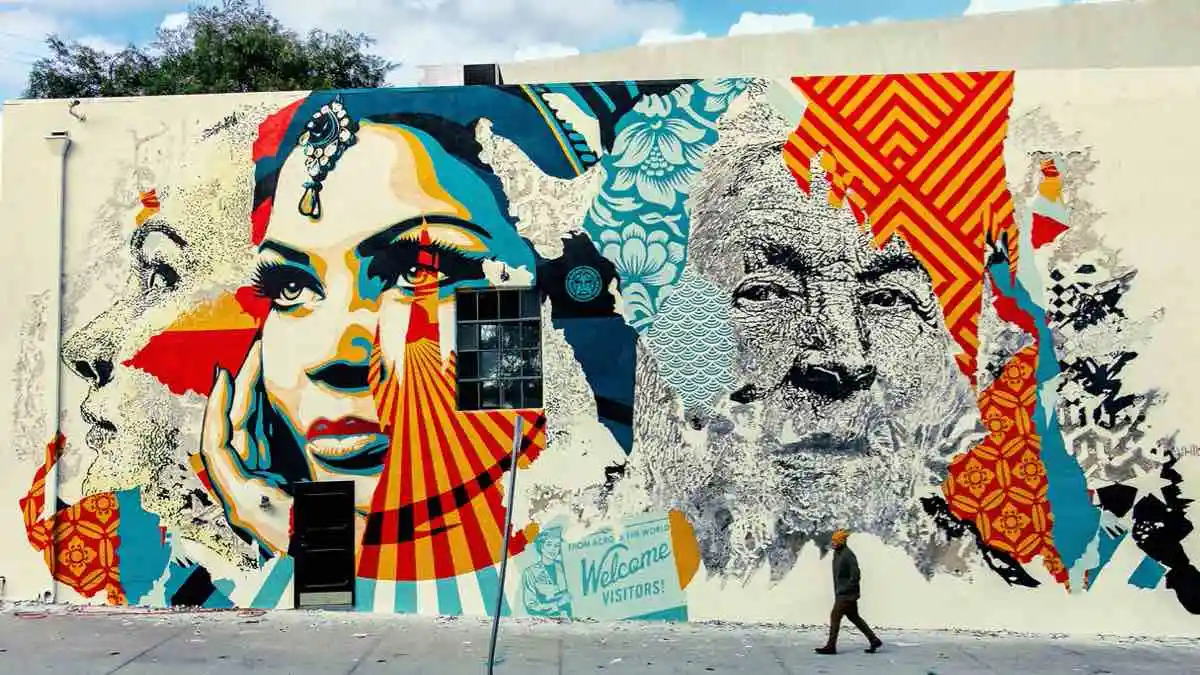
Street art is a form of visual expression created in public spaces. It includes graffiti, murals, stencils, stickers, posters, and installations. Unlike traditional art, which is often displayed in galleries or museums, street art exists in everyday environments—accessible to everyone.
It doesn’t require an entry ticket.
It doesn’t follow strict rules.
And it doesn’t wait for permission.
This is what makes street art unique—it belongs to the streets, and by extension, to the people.
Beyond “Graffiti = Cool”
Let’s address the biggest misconception first: that street art is just random graffiti meant to look “cool.”
That’s an oversimplification.
While some street art is purely aesthetic, much of it carries deeper meaning. Artists use public walls as their canvas to:
- Express opinions
- Challenge authority
- Highlight social issues
- Share personal stories
- Create cultural identity
Street art isn’t just about visuals—it’s about communication.
Street Art as Rebellion and Expression
At its core, street art is an act of rebellion.
Not necessarily violent rebellion, but creative resistance.
When artists take over public spaces, they are challenging systems that control what can and cannot be seen. They are reclaiming space and using it to express ideas that might otherwise go unheard.
Street art often emerges in response to:
- Political oppression
- Social injustice
- Economic inequality
- Cultural identity struggles
It gives a voice to those who may not have access to traditional platforms.
This is why street art feels raw and real—it’s not filtered or curated. It’s immediate and unapologetic.
The Hidden Messages Behind Street Murals
At first glance, a mural might seem decorative. But many street artworks are layered with meaning.
A single image can carry multiple interpretations:
- A broken chain might symbolize freedom
- A child holding a balloon could represent lost innocence
- A masked figure might reflect identity or anonymity
Street artists often use symbolism, satire, and irony to communicate messages subtly.
One of the most famous examples comes from Banksy, whose work combines simple visuals with powerful commentary.
Take his iconic piece, Girl with Balloon. On the surface, it’s a simple image of a girl reaching for a balloon. But interpretations range from hope and loss to the fleeting nature of innocence.
That’s the beauty of street art—it doesn’t explain itself. It invites you to think.
Famous Street Artists and What They Represent
Street art has evolved from underground culture to global recognition, and several artists have played a major role in shaping its identity.
Banksy
Perhaps the most well-known street artist in the world, Banksy remains anonymous, which adds to his mystique. His work often critiques politics, consumerism, war, and authority.
Banksy represents rebellion with intelligence—art that is both accessible and deeply thought-provoking.
Shepard Fairey
Known for the iconic “Hope” poster of Barack Obama, Fairey’s work blends propaganda-style visuals with political messaging.
He represents the intersection of street art and activism.
Keith Haring
Haring’s bold lines and vibrant figures made his work instantly recognizable. His art addressed themes like AIDS awareness, love, and social justice.
He represents art as awareness and inclusivity.
These artists prove that street art is not just about aesthetics—it’s about ideas.
Is Street Art Vandalism or Real Art?
This is one of the most debated questions.
Technically, much of street art is illegal. It often involves painting on public or private property without permission. From a legal standpoint, it can be considered vandalism.
But legality doesn’t always define value.
Many works that were once considered vandalism are now preserved, protected, and even sold for millions. Cities around the world commission murals and celebrate street artists.
So what changed?
Perception.
People began to see the creativity, the message, and the cultural impact behind the work.
The truth is, street art exists in a grey area:
- It can be disruptive
- It can be illegal
- But it can also be meaningful, beautiful, and important
Calling it “just vandalism” ignores its cultural significance.
Calling it “pure art” ignores its rebellious nature.
It’s both—and that’s what makes it powerful.
Street Art and Youth Culture
Street art has a strong connection with younger generations.
Why?
Because it reflects:
- Freedom of expression
- Resistance to norms
- Identity and individuality
- Urban culture
Unlike traditional art forms that can feel distant or formal, street art feels immediate and relatable.
It speaks the language of the streets—bold, unfiltered, and real.
For many young artists, street art is not just a style—it’s a mindset.
The Role of Social Media
Interestingly, something that started as underground has now gone global—thanks to social media.
Platforms like Instagram have transformed street art:
- Artists gain worldwide recognition
- Murals become viral content
- Messages reach a larger audience
Even artists like Banksy use social media to share their work directly with the public.
But this also creates a shift.
Street art, once temporary and local, is now:
- Documented
- Shared
- Preserved digitally
It blurs the line between street and gallery.
Temporary Yet Timeless
One of the most fascinating aspects of street art is its impermanence.
A mural can be painted over.
A wall can be demolished.
A piece can disappear overnight.
And yet, its impact can last for years.
This temporary nature adds urgency and authenticity. It reminds us that art doesn’t have to be permanent to be meaningful.
In fact, its fleeting existence often makes it more special.
Why Street Art Matters Today
In a world filled with curated content and controlled narratives, street art stands out because it is raw and real.
It matters because:
- It gives voice to the unheard
- It challenges authority and norms
- It makes art accessible to everyone
- It turns ordinary spaces into meaningful experiences
Street art transforms cities into open galleries—where anyone can observe, interpret, and engage.
Final Thoughts
Street art is not just paint on walls.
It’s rebellion without violence.
Expression without permission.
Stories without words.
It challenges us to look beyond the surface, to question what we see, and to think about the world around us.
So the next time you walk past a mural or a graffiti-covered wall, don’t just dismiss it.
Pause.
Look closer.
Because behind those colors and shapes, there might be a story waiting to be understood.